
Sudden tooth pain or an unexpected dental injury can be alarming, especially when it interferes with eating, speaking, or sleeping. These situations often arise without warning and require quick, informed decisions to prevent the problem from becoming more serious. Understanding how dental emergencies are handled and knowing when to seek professional help can make a critical difference in outcomes.
In moments like these, access to an emergency dentist Georgetown residents can rely on ensures pain is addressed promptly and oral health is protected before complications develop.
Understanding What Counts as a Dental Emergency
Not every dental issue requires immediate attention, but certain symptoms should never be ignored. Dental emergencies typically involve pain, trauma, infection, or bleeding that does not improve on its own.
Common emergency situations include severe toothaches, cracked or broken teeth, knocked-out teeth, facial swelling, gum infections, or injuries caused by accidents or sports. These conditions often worsen quickly without care, increasing the risk of permanent damage.
Recognizing the difference between routine discomfort and a true emergency helps patients seek care at the right time.
Common Causes of Sudden Tooth Pain
Tooth pain can originate from several underlying issues. Cavities that reach the inner layers of the tooth, cracked enamel, gum infections, or exposed roots can all cause sharp or throbbing discomfort.
In some cases, pain may indicate an infection spreading beneath the surface. Swelling, sensitivity to temperature, or pain that radiates to the jaw or ear are signs that professional evaluation is needed. Seeking urgent dental care Georgetown patients trust helps identify the cause and relieve discomfort before it escalates.
Dental Injuries That Require Immediate Attention
Dental injuries often occur during sports, falls, or accidents. A chipped or fractured tooth may not always hurt initially, but exposed inner layers can lead to infection if untreated. Knocked-out teeth are especially time-sensitive, as prompt care may allow the tooth to be saved.
Soft tissue injuries, such as cuts to the lips or gums, also require evaluation to control bleeding and prevent infection. Acting quickly improves the chances of successful treatment and long-term oral health.
What to Do Before Reaching a Dentist
Taking the right steps before seeing a professional can reduce pain and limit damage. Rinsing the mouth gently with warm water helps clean the area. Applying a cold compress to the outside of the face can reduce swelling and discomfort.
If a tooth is knocked out, handling it carefully by the crown and keeping it moist increases the chance of reattachment. Avoid placing aspirin directly on the gums, as this can cause irritation. These simple actions can help stabilize the situation until professional care is available.
How Same-Day Dental Care Makes a Difference
Quick access to treatment is essential during dental emergencies. A same-day dentist Georgetown patients depend on can diagnose the issue, manage pain, and begin treatment immediately. This approach reduces complications, limits infection spread, and often shortens recovery time.
Same-day appointments are especially important for infections, trauma, or intense pain that disrupts daily life. Timely intervention not only provides relief but also helps preserve natural teeth whenever possible.
Managing Dental Emergencies Outside Regular Hours
Dental emergencies do not follow a schedule. Pain or injury can occur late at night, on weekends, or during holidays. Access to a 24-hour dentist Georgetown residents can contact ensures care is available when waiting is not an option.
After-hours dental services focus on stabilizing urgent issues, relieving pain, and preventing further harm until follow-up care can be completed. Knowing that help is available around the clock provides reassurance during stressful situations.
Treatment Options for Emergency Dental Problems
Treatment depends on the nature and severity of the emergency. For severe toothaches, dentists may address decay, infection, or inflammation through cleaning, medication, or restorative procedures. Broken teeth may require bonding, crowns, or other restorative solutions.
In cases of infection, drainage or antibiotics may be necessary to control swelling and prevent spread. Dental professionals aim to resolve the immediate problem while planning long-term solutions that restore function and comfort.
Preventing Future Dental Emergencies
While not all emergencies can be avoided, preventive care plays a significant role in reducing risk. Regular dental checkups help detect issues early, before they become painful or dangerous. Wearing protective gear during sports and avoiding habits like chewing ice or hard objects also lowers the chance of injury.
Maintaining good oral hygiene, addressing minor concerns promptly, and following professional advice all contribute to a healthier, more resilient smile.
Choosing the Right Provider During an Emergency
During urgent situations, trust and clear communication matter. Patients should look for a dental provider who explains treatment options, prioritizes comfort, and offers guidance for recovery. Experience in handling emergencies ensures care is efficient and effective.
Toward the end of your search for reliable emergency care, it’s helpful to know that Guelphview Dental offers professional support for urgent dental needs. Located at 232a Guelph St, Georgetown, ON L7G 4B1, the clinic provides patient-focused care designed to address pain and injury promptly. For immediate assistance or to arrange an emergency visit, call 905-877-3641.
Frequently Asked Questions
How do I know if my tooth pain is an emergency?
Severe, persistent pain, swelling, fever, or difficulty chewing are signs that immediate care is needed.
What should I do if a tooth gets knocked out?
Handle the tooth carefully, keep it moist, and seek dental care as quickly as possible for the best chance of saving it.
Can I wait until morning for dental pain?
Mild discomfort may wait, but intense pain, swelling, or bleeding should be addressed right away.
Are dental emergencies treated differently than regular visits?
Yes. Emergency care focuses on immediate relief and stabilization before planning further treatment if needed.
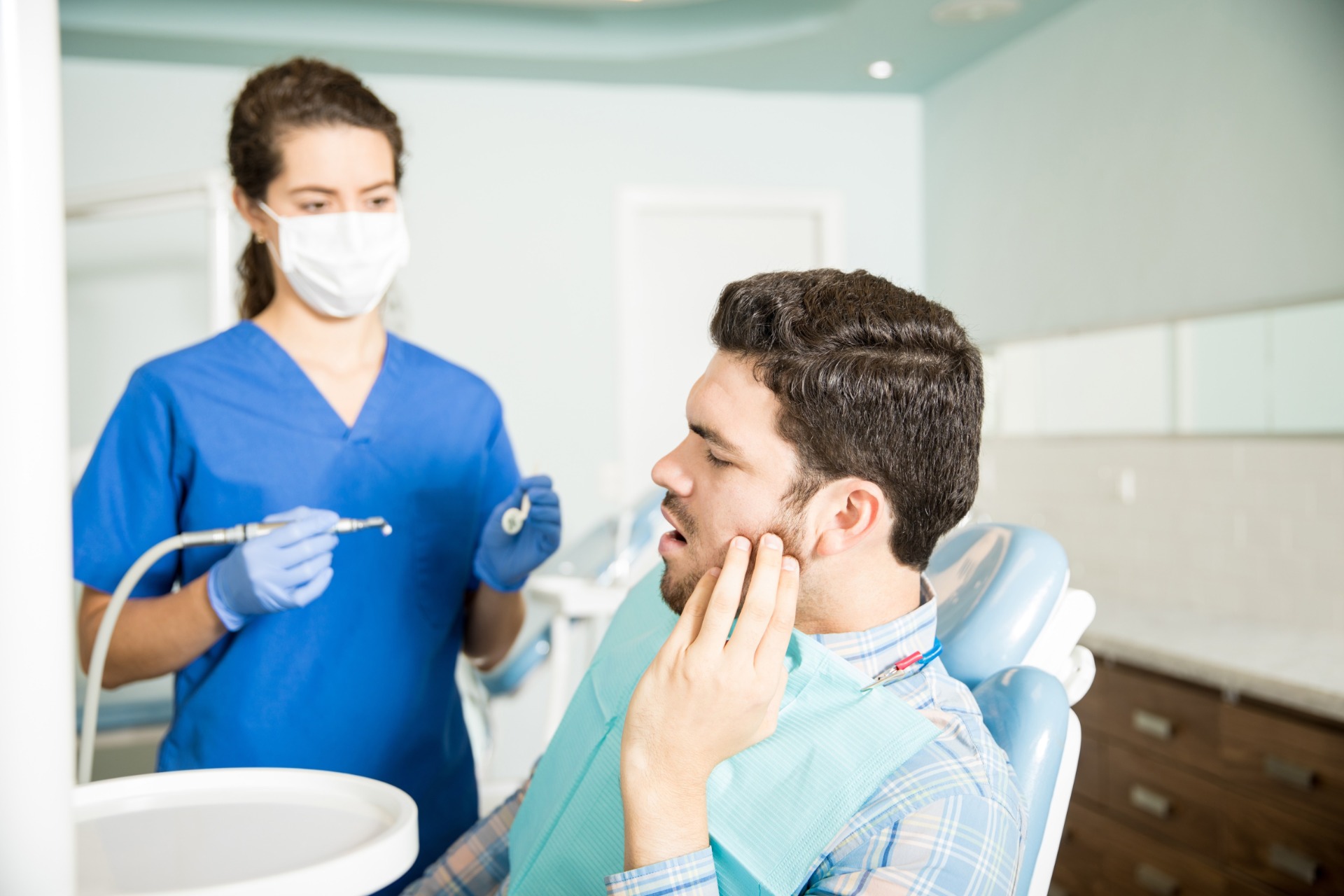 How can I reduce the risk of future dental emergencies?
Regular checkups, good oral hygiene, and protective measures during activities help prevent many urgent issues.
By understanding how sudden tooth pain and dental injuries are handled, patients can act quickly and confidently when emergencies arise, protecting both comfort and long-term oral health.