
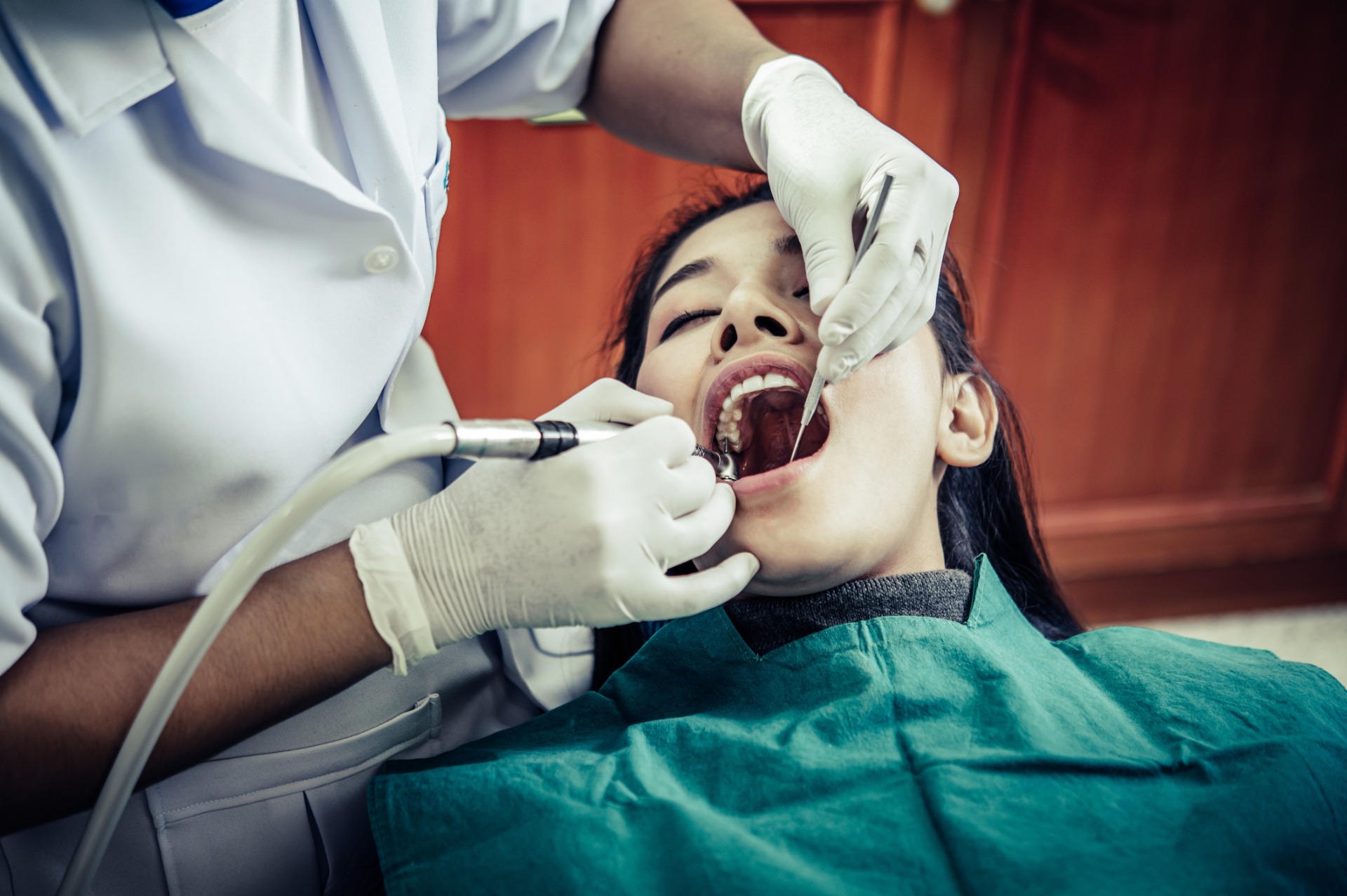
Dental emergencies rarely come with a warning. A sudden toothache, unexpected swelling, or an accident can disrupt daily life and cause significant discomfort. Knowing how to respond promptly—and where to seek care—can make a major difference in protecting your oral health and avoiding long-term complications. Quick, informed action helps ensure pain is controlled and damage is minimized.
Access to timely professional care plays a critical role when urgent dental issues arise, especially when symptoms escalate faster than expected.
Understanding What Qualifies as a Dental Emergency
Not every dental concern requires immediate attention, but some situations should never be ignored. Emergencies typically involve pain, trauma, or infection that can worsen rapidly without treatment.
Common dental emergencies include severe toothaches, broken or knocked-out teeth, facial swelling, bleeding that won’t stop, or infections accompanied by fever. In these cases, delaying care may lead to more complex treatment needs.
Seeking help from an Emergency dentist Georgetown patients rely on allows problems to be assessed quickly and managed before they escalate.
Why Acting Quickly Matters
Time is a crucial factor during dental emergencies. Infections can spread, pain can intensify, and damaged teeth may become impossible to save if treatment is delayed. Early intervention often reduces discomfort and improves the likelihood of successful outcomes.
Prompt access to Georgetown emergency dental care ensures that underlying causes are addressed rather than masked. This proactive approach helps preserve natural teeth and supports overall oral health.
Common Tooth Emergencies and How They Are Managed
Dental emergencies vary, but many follow predictable patterns when it comes to treatment.
Severe tooth pain often signals decay, infection, or nerve involvement. Dentists focus on identifying the source and providing relief through appropriate treatment.
Broken or chipped teeth may result from accidents or biting down on hard foods. Treatment depends on the extent of damage and may involve restoration or protective measures.
Swelling or abscesses indicate infection and require urgent attention to prevent spread. Managing infection promptly is essential for patient safety.
Professionals providing urgent dental care Georgetown residents trust are trained to handle these situations efficiently and safely.
What to Do Before You Reach the Dentist
Taking the right steps immediately after a dental emergency can help reduce pain and prevent further damage. Rinsing the mouth gently, avoiding pressure on the affected area, and using cold compresses for swelling can provide temporary relief.
However, home remedies should never replace professional care. They are short-term measures meant to stabilize the situation until treatment is available.
Knowing when to seek a Same-day dentist Georgetown patients depend on helps ensure emergencies are handled without unnecessary delay.
The Role of Same-Day Dental Care
Same-day care is especially valuable during emergencies, as it reduces waiting time and prevents symptoms from worsening. Access to prompt evaluation allows dentists to diagnose issues accurately and begin treatment right away.
Same-day visits are often focused on pain relief, infection control, and stabilizing the affected area. Follow-up care may be scheduled once the immediate concern is resolved.
Preventing Complications Through Professional Evaluation
Even when pain subsides temporarily, underlying issues may still be present. Professional evaluation ensures that problems are fully addressed and not left to resurface later.
Dentists providing Georgetown emergency dental care assess not only the visible symptoms but also potential hidden concerns using diagnostic tools and clinical expertise. This thorough approach protects long-term oral health.
Managing Anxiety During Dental Emergencies
Dental emergencies can be stressful, especially when pain is involved. Clear communication and a calm environment help patients feel more at ease during urgent visits.
An experienced Emergency dentist Georgetown residents trust will explain procedures, answer questions, and prioritize comfort while delivering necessary care. This reassurance can significantly reduce anxiety during a difficult situation.
How Emergency Dental Care Fits Into Long-Term Oral Health
Emergency treatment is not isolated from routine dental care. In fact, it often highlights areas where preventive measures may be needed. After an emergency is resolved, dentists may recommend follow-up visits to address contributing factors such as decay, gum disease, or bite issues.
This continuity helps prevent repeat emergencies and supports healthier outcomes over time.
Choosing the Right Emergency Dental Provider
Selecting a provider experienced in emergency care ensures that treatment is efficient, safe, and patient-focused. Availability, clear communication, and a comprehensive approach are key factors to consider.
Patients benefit from knowing where to turn when urgent issues arise, rather than scrambling for options during stressful moments.
Conclusion
Handling tooth emergencies quickly and safely requires awareness, prompt action, and access to professional care. Recognizing urgent symptoms, seeking timely evaluation, and following expert guidance can prevent complications and protect long-term oral health. Emergency dental care is about more than immediate relief—it’s about restoring comfort and stability with confidence.
For patients in need of urgent attention, Guelphview Dental offers professional emergency dental services in a supportive environment. The clinic is located at 232a Guelph St, Georgetown, ON L7G 4B1. To arrange immediate care or request a consultation, contact 905-877-3641.
Frequently Asked Questions
Q1 What should I do if I experience sudden tooth pain?
Seek professional evaluation as soon as possible to identify and treat the cause.
Q2 Are dental emergencies always painful?
Not always. Some infections or injuries may cause minimal pain initially but still require urgent care.
Q3 Can emergency dental care save a damaged tooth?
In many cases, prompt treatment increases the chance of saving the tooth.
Q4 Is swelling a sign of a serious problem?
Yes. Swelling often indicates infection and should be evaluated immediately.
Q5 Do I need follow-up care after an emergency visit?
Often, yes. Follow-up visits help address underlying issues and prevent recurrence.