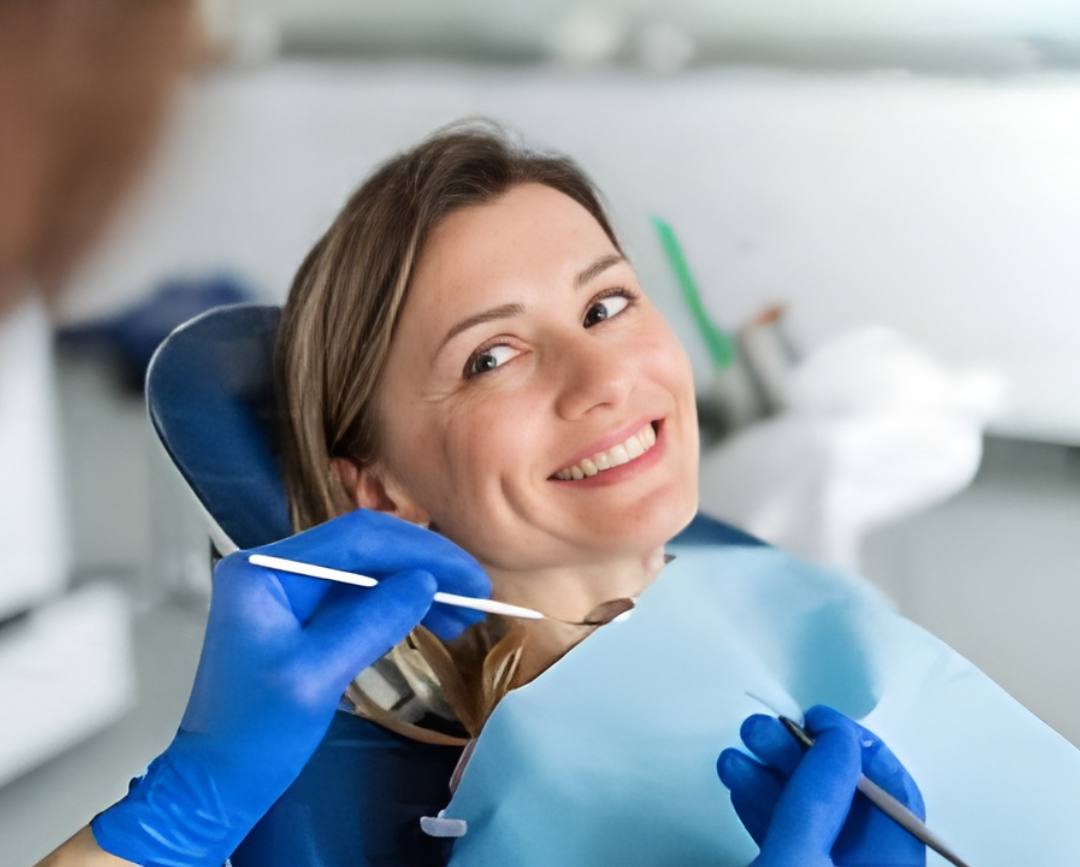
Dental technology has evolved dramatically in recent years, and today’s patients can experience faster, gentler, and more precise care than ever before. A trusted dentist Georgetown residents rely on understands that comfort is one of the biggest concerns during dental visits—whether it’s a simple cleaning or a more advanced procedure. Modern dentistry now focuses on reduced discomfort, shorter appointments, and highly accurate treatments that make the entire patient experience smoother and stress-free.
This blog explores how new techniques, tools, and digital innovations at a Georgetown dental clinic help patients feel more relaxed, more informed, and more in control every step of the way.
Understanding Patient Comfort in Modern Dentistry
Comfort isn’t just about pain control—it includes emotional ease, communication, treatment speed, and the overall atmosphere. A family dentist Georgetown patients trust uses a patient-centered approach built around:
Reduced treatment anxiety
Minimal discomfort
Faster recovery times
Clear explanations and visual tools
Safe and efficient technology
From the moment a patient walks in, modern dental practices focus on creating a calm, predictable, and friendly experience.
How Today’s Tools Enhance Comfort and Precision
1. Digital X-Rays for Faster, Safer Imaging
Traditional X-rays took longer, required more radiation, and often felt uncomfortable. Now, digital X-rays provide:
Immediate high-resolution images
Lower radiation exposure
No sharp film pieces in the mouth
Better accuracy for diagnoses
For a dentist near me Georgetown, digital imaging allows clearer communication, since patients can view their teeth on screen and understand exactly what’s happening.
2. Intraoral Cameras for Better Communication
Small, pen-sized cameras allow dentists to show patients enlarged images of their teeth in real time. This improves comfort through:
Transparency
Reduced confusion
Increased trust
More predictable treatment plans
Patients no longer feel left in the dark—they see what the dentist sees.
3. Laser Dentistry for Gentle and Precise Treatment
Dental lasers are becoming key tools in reducing discomfort. They allow for:
No drilling noise
Minimal bleeding
Faster healing
Gentler gum treatments
Lower chance of infection
For nervous patients, laser dentistry removes much of the fear associated with traditional treatment tools.
4. Needle-Free or Single-Injection Freezing Options
Many patients experience anxiety about injections. Modern anesthesia systems offer:
Controlled delivery
Less pressure
Faster numbing
More comfortable application
A dentist Georgetown with advanced numbing technology can dramatically reduce discomfort during procedures.
5. Comfort-Focused Restorations and Materials
Modern dental clinics use materials that:
Blend naturally with tooth color
Require less drilling
Bond more comfortably to teeth
Strengthen long-term oral health
Whether it’s fillings, crowns, or bonding materials, modern options reduce chair time and recovery discomfort.
Comfort Through Better Experience and Patient Care
1. Shorter Appointments With Efficient Tools
Digital tools allow faster diagnosis and treatment planning. This means:
Less time in the chair
Fewer visits
More time for personalized care
Patients appreciate the streamlined process.
2. Anxiety Management Techniques
A caring family dentist Georgetown understands dental anxiety is common. Modern clinics may offer:
Calming environments
Guided breathing
Distraction tools like music or screens
Gentle communication
Breaks throughout treatment
Reducing stress naturally improves comfort and overall satisfaction.
3. Clear Treatment Planning Through Technology
When patients see images, scans, and digital models of their teeth, they feel:
More confident
More in control
Less nervous about the unknown
Better understanding = greater comfort.
How Modern Dentistry Supports Long-Term Comfort
Comfort isn’t just about the appointment—it’s also about recovery and future oral health.
Modern dentistry helps prevent:
Unnecessary pain
Complications
Repeated treatments
Sensitivity issues
Tools such as 3D imaging, precise restorations, and minimally invasive techniques help ensure a smooth healing process and long-lasting results.
Conclusion
Today’s dental care looks very different from the past. With advanced tools, gentle techniques, and a focus on patient-centered care, a dentist Georgetown provider can deliver a more comfortable, predictable, and anxiety-free experience from start to finish. Whether you’re visiting for a simple cleaning or complex treatment, modern dentistry ensures better communication, less discomfort, and faster recovery—helping residents enjoy healthier, more comfortable smiles every day. If you’re searching for a dentist near me Georgetown who uses modern technology to make dental visits easier, today’s innovations mean a better, gentler patient experience for the whole family.
FAQs
1. Does modern dentistry reduce pain during treatments?
Yes. With advanced numbing, laser tools, and minimally invasive techniques, treatments are significantly more comfortable than traditional methods.
2. What tools improve comfort during dental visits?
Digital X-rays, intraoral cameras, laser dentistry, and advanced anesthesia systems all help create a smoother, gentler experience.
3. Can modern dental tools shorten appointment times?
Absolutely. Digital technology speeds up imaging, planning, and treatment, reducing time in the dental chair.
4. Is modern dentistry safe for kids and families?
Yes. Technology used by a family dentist Georgetown is designed to be safe, gentle, and child-friendly.
5. Why does communication matter for comfort?
When patients understand their treatment through visuals and clear explanation, anxiety drops and confidence increases.