
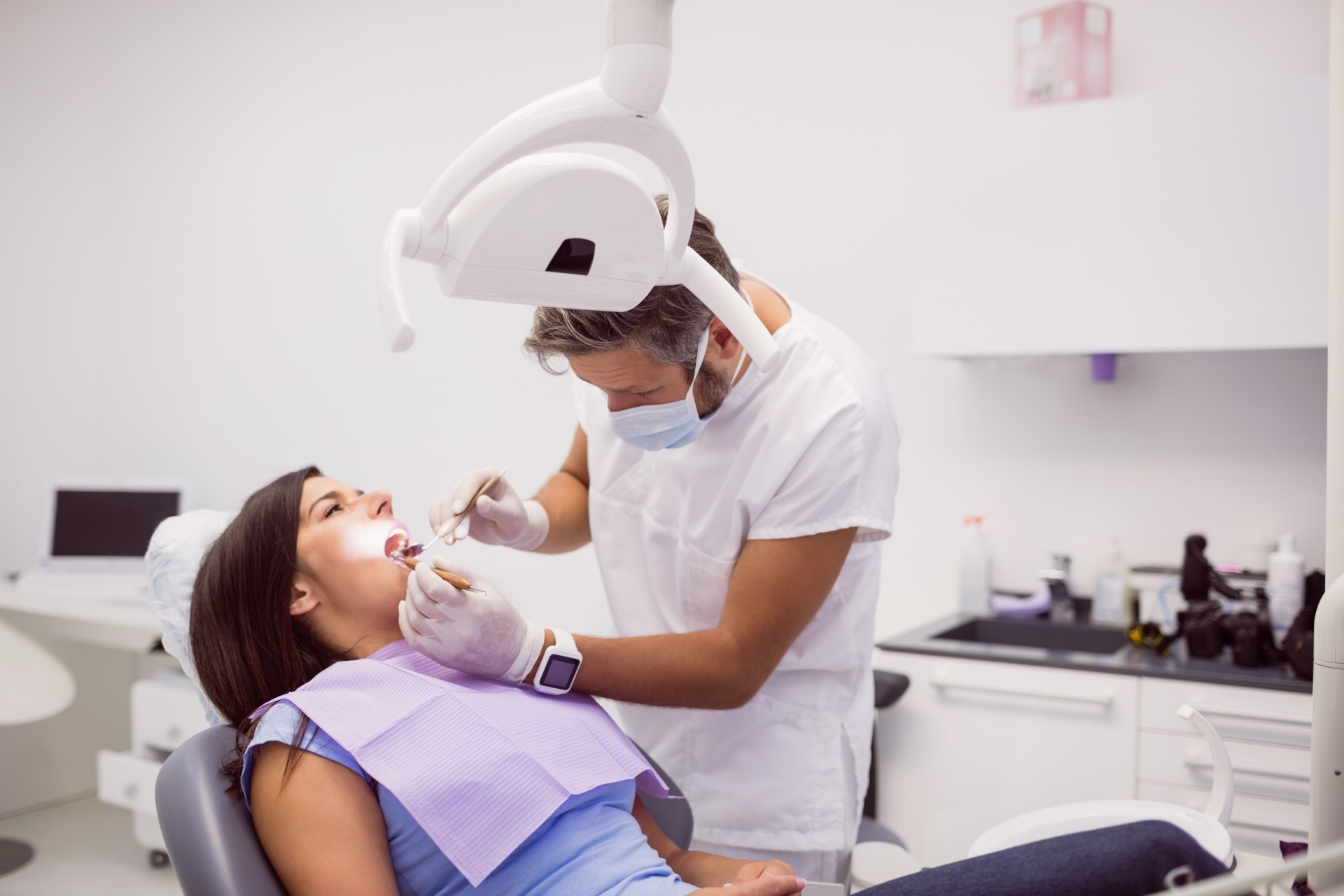
Knowing when to schedule dental checkups is essential for maintaining strong teeth, healthy gums, and overall wellness. Many dental problems develop gradually and show little to no symptoms in the early stages. Regular visits help detect concerns early, reduce the risk of complex treatment, and support lifelong oral health through consistent preventive care.
Dental checkups should typically be scheduled every six months to maintain oral health and prevent dental problems. However, individuals with gum disease, frequent cavities, or medical risk factors may need more frequent visits. Regular checkups allow early detection, preventive care, and long-term protection of natural teeth.
Why Regular Dental Checkups Matter
Dental checkups are not just about cleaning teeth. They provide a complete assessment of oral health, helping identify potential issues before they become serious.
Routine visits help by:
Detecting cavities early
Monitoring gum health
Identifying enamel wear or sensitivity
Screening for oral health changes
Consistent care reduces discomfort, lowers long-term costs, and helps preserve natural teeth.
The General Six-Month Guideline
For most people, visiting the dentist every six months is considered ideal. This schedule allows enough time to prevent plaque buildup from turning into more serious issues while keeping oral health on track.
Six-month checkups support:
Effective plaque and tartar control
Ongoing monitoring of dental changes
Reinforcement of good oral hygiene habits
A general dentist Georgetown residents rely on often recommends this interval as a preventive standard.
When More Frequent Visits Are Needed
Some individuals may need dental checkups more often than twice a year due to higher risk factors. These patients benefit from closer monitoring and preventive care.
More frequent visits may be recommended for:
Gum disease or early signs of periodontal issues
Frequent cavities or weakened enamel
Medical conditions affecting oral health
Tobacco use or dry mouth concerns
A personalized schedule ensures dental problems are managed before they worsen.
Dental Checkups for Children and Teens
Children and teenagers experience rapid changes in their oral health. Regular dental visits help monitor growth, tooth eruption, and bite development.
Routine checkups help with:
Detecting early cavities
Monitoring alignment and spacing
Encouraging proper brushing and flossing habits
Supporting healthy development
Family dentist Georgetown visits ensure children stay on track as their teeth and jaws grow.
Adults and Ongoing Oral Health Needs
Adult dental needs evolve over time due to lifestyle, stress, and aging. Even individuals without noticeable issues benefit from routine checkups.
Adult checkups help identify:
Gum disease in early stages
Tooth wear from grinding or clenching
Old restorations that need attention
Signs of infection or inflammation
Consistent care helps adults avoid dental emergencies and maintain comfort.
The Role of Preventive Cleanings
Professional cleanings are a key part of dental checkups. Even excellent home care cannot remove all plaque and tartar buildup.
Cleanings help by:
Removing hardened deposits
Polishing teeth to reduce plaque retention
Improving gum health
Supporting fresher breath
A Georgetown dental clinic visit typically includes cleaning as part of routine preventive care.
Signs You Should Not Delay a Dental Visit
While routine visits are scheduled in advance, certain symptoms should prompt immediate attention.
These signs include:
Persistent tooth pain or sensitivity
Bleeding or swollen gums
Loose teeth
Ongoing bad breath
Jaw discomfort
Early evaluation prevents minor issues from turning into serious problems.
How Dental Checkups Support Overall Health
Oral health is closely connected to overall wellness. Untreated dental issues can contribute to systemic inflammation and other health concerns.
Regular checkups support overall health by:
Reducing oral bacteria
Supporting healthy gums
Preventing infections
Encouraging better hygiene habits
Preventive dental care plays a role in long-term health beyond the mouth.
Creating a Long-Term Dental Care Routine
Consistency is the key to effective dental care. Scheduling checkups in advance helps families stay committed to preventive visits.
A strong routine includes:
Regular six-month appointments
Personalized recommendations
Ongoing education and guidance
Early intervention when needed
A general dentist Georgetown patients trust helps guide this long-term approach.
FAQ
Q1 How often should dental checkups be scheduled?
Most people benefit from checkups every six months, though some may need more frequent visits.
Q2 Are dental checkups necessary if there is no pain?
Yes. Many dental problems develop without symptoms and are best treated early.
Q3 Do children need the same checkup schedule as adults?
Yes. Children typically benefit from visits every six months to monitor development.
Q4 What happens during a routine dental checkup?
Checkups usually include an exam, cleaning, and assessment of oral health.
Q5 Can regular checkups prevent serious dental problems?
Yes. Preventive visits help detect and address issues before they become complex.
Conclusion
Scheduling dental checkups at the right time plays a vital role in maintaining healthy teeth and gums. From preventive cleanings to early detection, routine visits support long-term oral health for individuals and families alike. Establishing a consistent dental care schedule helps reduce risks, improve comfort, and protect natural teeth for years to come.
Guelphview Dental provides comprehensive dental care focused on prevention and long-term wellness. Located at 232a Guelph St, Georgetown, ON L7G 4B1, appointments can be scheduled by calling 905-877-3641 to support a proactive approach to oral health.